November 17, 2026
Sun rays can be extremely harmful, causing degradation and damage to various surfaces. Advanced PPF (Paint Protection Film) services offer a comprehensive solution to counteract these effects, preserving the integrity and appearance of your assets. This article explores the ways in which PPF services can significantly reduce the harmful impacts of sun ray exposure.
What are PPF Services?
The Definition of PPF
Paint Protection Film, or PPF, is a thermoplastic urethane film applied on painted surfaces of automobiles (or other surfaces) to protect the paint from scratches, stone chips, and minor abrasions. The core function of PPF services is to serve as a shield that absorbs damage and maintains the pristine look of the underlying finish. These films are practically invisible, ensuring the original aesthetic appeal remains uncompromised.
Types of PPF Available
There are various types of PPF services available, ranging from basic protection films to advanced options that incorporate self-healing capabilities. Some PPF solutions are specifically designed to provide a superior gloss finish, while others are matte, catering to different aesthetic preferences. These advanced PPF services can include features like hydrophobic properties where water simply beads and rolls off, making cleaning simpler.
How PPF Works Against Sun Rays
PPF serves as a barrier against harmful UV rays, one of the primary causes of paint degradation over time. The film effectively absorbs the UV radiation, preventing it from penetrating the paint layer and causing oxidation. According to Forbes, PPF acts as a protective shield against sun damage, particularly in warmer, southern climates where intense sunlight can heat darker car body panels above 150 degrees, maintaining both beauty and structural integrity of the surface.
Benefits Beyond Sun Protection
Apart from warding off sun damage, PPF services provide a host of additional benefits. These films offer scratch resistance and can deflect debris away from the paintwork, minimizing damages from daily drives. Moreover, PPF can enhance the aesthetic appeal of the vehicle by adding a layer of gloss or matte finish, and providing a look that stands out, showcasing elegance and thorough care.
How Does Sun Ray Degradation Affect Vehicles?
Impact on Car Exteriors
Sun rays are notorious for causing fading, discoloration, and a dull look on car exteriors. Prolonged exposure to UV radiation can lead to chalking, where the vehicle's layer of paint becomes brittle, and its surface feels rough. This degradation affects not only the outer appearance, but also the resale value, as buyers observe the fading as a lack of maintenance or care.
Interior Protection Issues
Sun damage isn't limited to the exteriors alone; it significantly affects vehicle interiors as well. UV rays penetrate the windows, causing dashboards to crack and fabrics to fade, leading to unsightly wear. The inside air temperature can dramatically rise, resulting in potential overheating of electronics and discomfort for passengers. Therefore, PPF services not only benefit the exterior but combined with window film, they can maintain the fresh appeal of interiors.
Economic Consequences of Sun Damage
The financial impact of repairing or restoring sun-damaged vehicles can be significant. Paint jobs, bumper repairs, and interior upholstery replacements are common expenses prompted by sun damage. Failure to address these can lead to more severe issues, such as rust formation or the need for comprehensive overhauls. PPF services play a vital economic role by reducing the frequency and cost of these repairs, emphasizing preventive maintenance.
Role of PPF In Vehicle Preservation
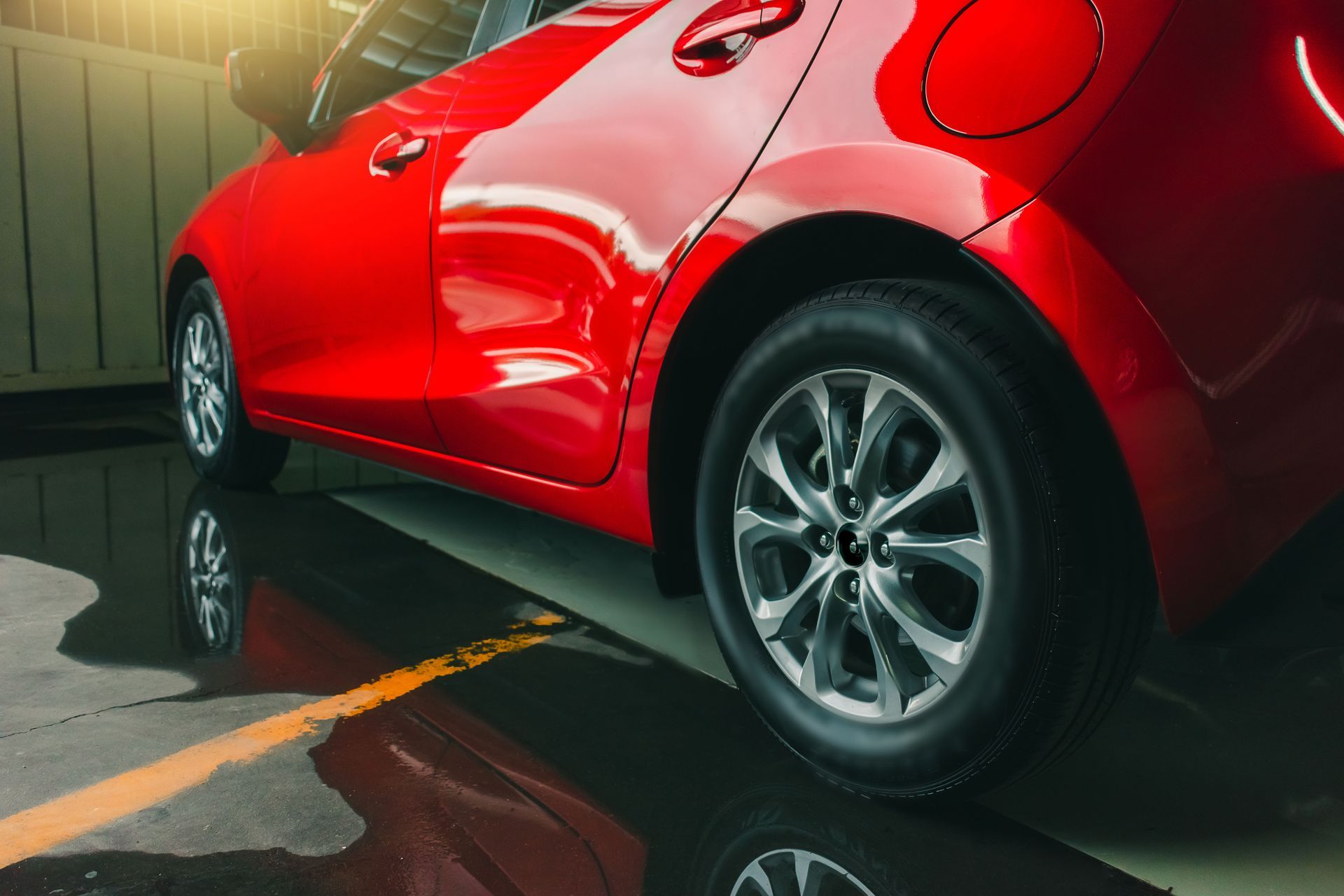
PPF services come as a savior for vehicle preservation by providing a safeguard that prevents the onset of sun damage. By applying this film, vehicle owners can extend the life of their car's paintwork beyond standard expectations, keeping it in showroom condition for years. Enhanced longevity and preserved value are key factors where PPF services deliver significant benefits, ensuring that vehicles remain timeless aesthetics treasures.
Are There Different Levels of PPF Protection?
Basic vs. Advanced PPF Solutions
The market offers a variety of PPF solutions ranging from basic to highly advanced options, each with varying levels of effectiveness. Basic PPF solutions may provide solid sun protection, but advanced options, equipped with innovative technology, enhance the efficiency and lifespan of the protection. These advanced solutions may incorporate self-healing properties where light scratches disappear with heat, maintaining a flawless surface over extended periods.
Customized PPF Installations
Customized PPF installations offer a tailored approach to vehicle protection, addressing specific needs and environments. For owners in harsh climates or those who prefer specific aesthetic modifications, custom PPF installations ensure that every requirement is met. Laying down tailored installations not only optimizes protective capabilities but also offers an opportunity for personal expression through customized designs and finishes.
Technological Innovations in PPF
The PPF industry is continuously evolving, with technological advancements enhancing the protective properties of films. Innovations such as nano-coating technology, which provides superior defense against abrasion and weathering, are gaining traction. These features increase the durability of PPF, reaffirming its position as a go-to product for those seeking top-notch protection and longevity for their vehicles.
Expert Recommendations for Optimal PPF Services
Industry experts suggest considering factors like climate, vehicle usage, and specific needs when selecting PPF services. It's essential to balance budget constraints with desired protection level for optimal results. They emphasize the importance of skilled installations, as even the best film can be ineffective if not applied correctly. Selecting high-quality PPF services can offer peace of mind, ensuring maximum protection against sun rays and other environmental risks.
What is the Installation Process for PPF?
Professional Installation Overview
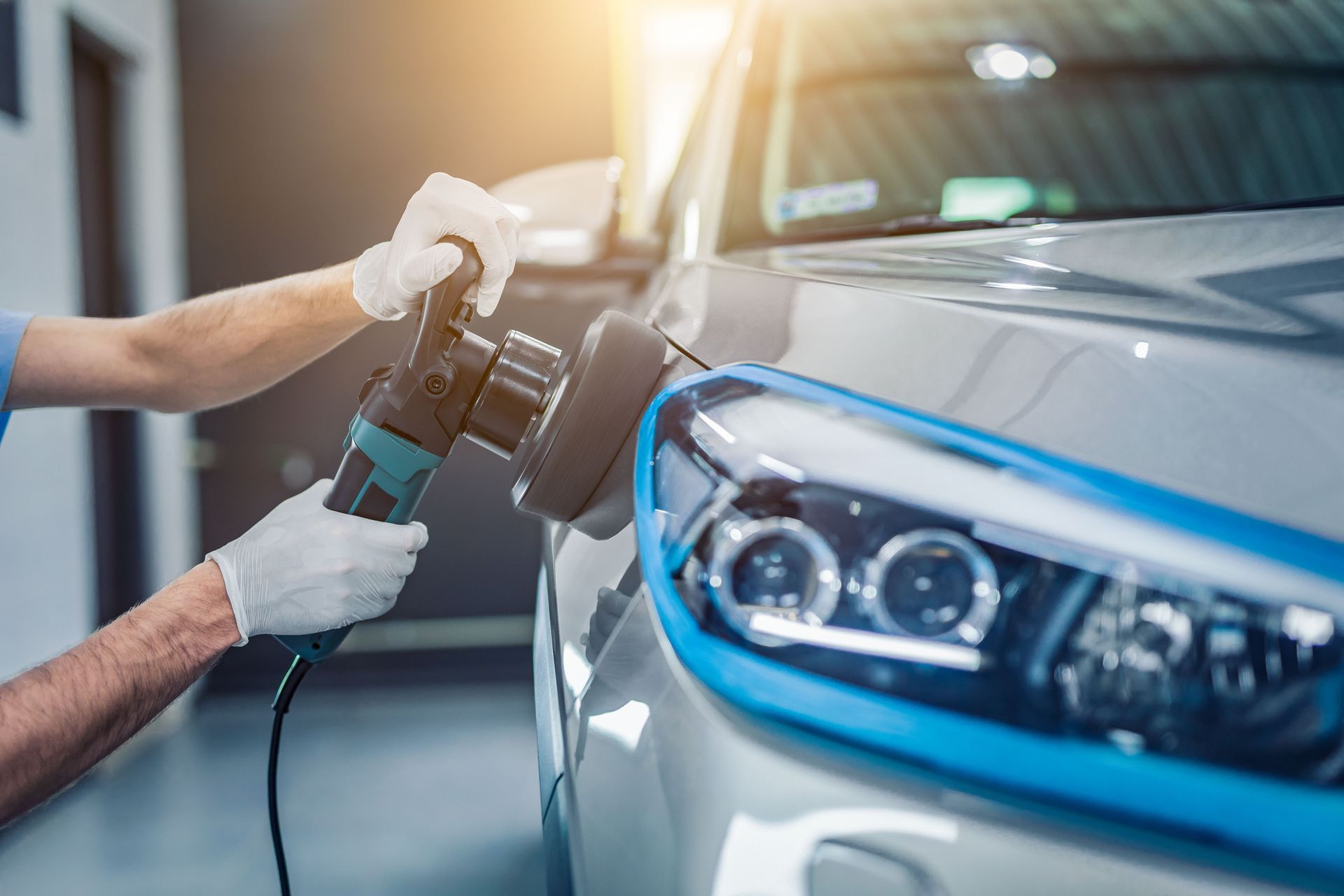
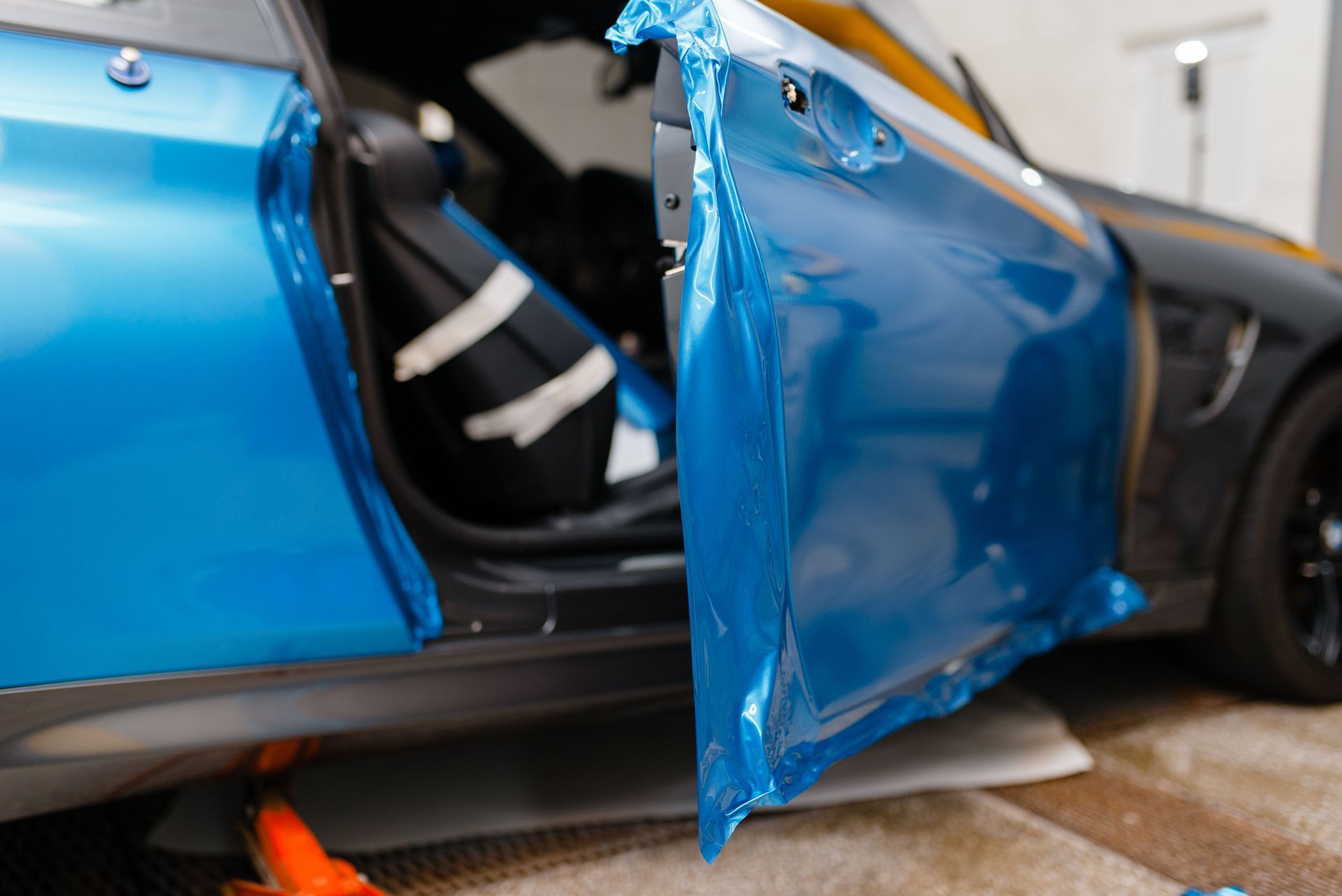
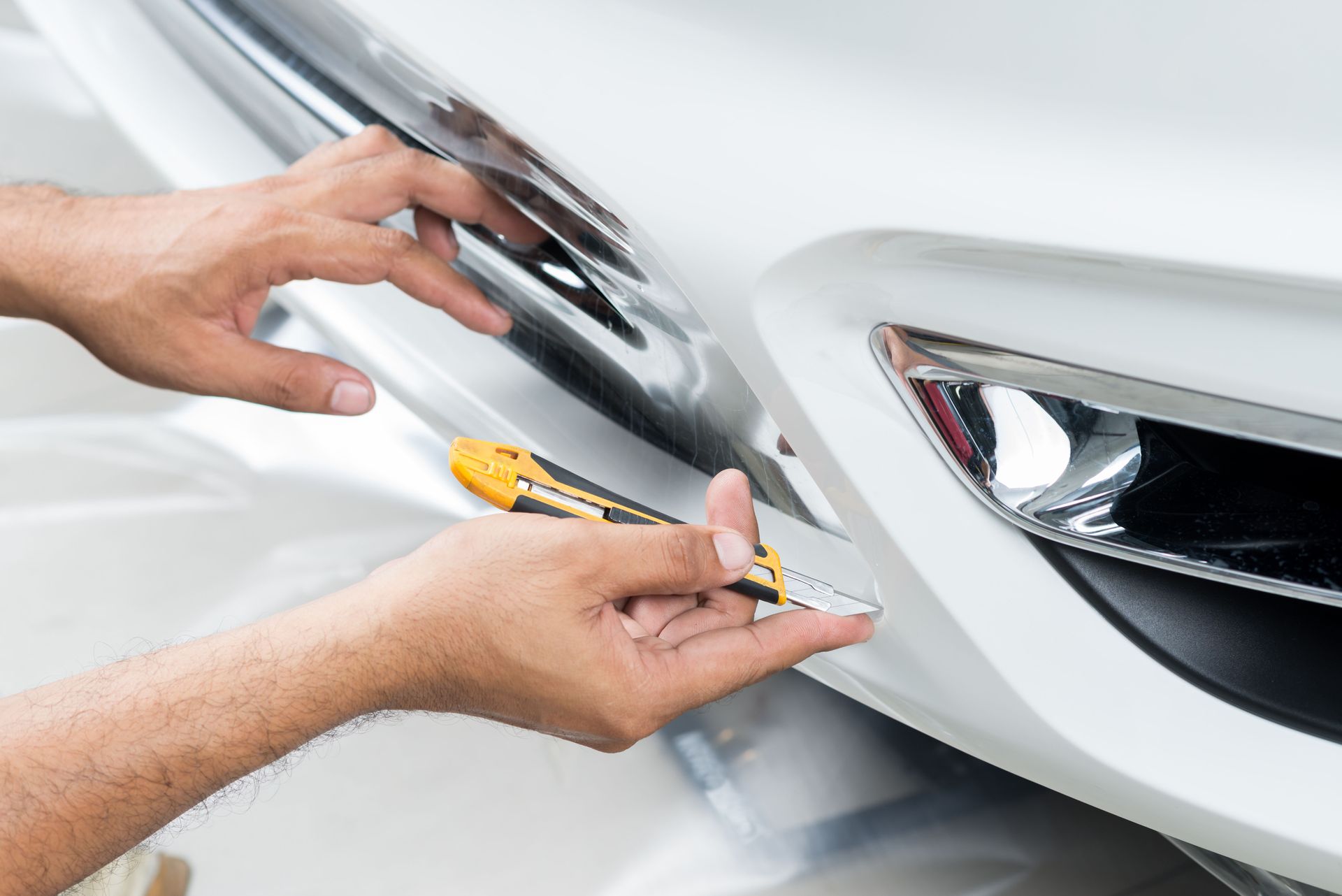
Professional installation of PPF is a meticulous process that requires precision and expertise. Technicians thoroughly clean and prepare the vehicle's surface before application, ensuring there are no contaminants that could get trapped under the film. They apply the film using specialized tools to smooth out air bubbles and ensure a seamless fit. This detailed approach guarantees that the protective film closely adheres to the surface, optimizing its protective capabilities.
Do-It-Yourself (DIY) vs. Professional Installations
While DIY installations may seem cost-effective, professional PPF services often deliver superior results. Factors like experience, proper tools, and the ability to handle complex contours of the vehicle make professional installation preferable, minimizing the risk of errors. While DIY methods can save money upfront, professional installations generally offer a better return on investment by ensuring durability and aesthetic appeal.
Challenges and Considerations
One challenge during PPF installation is ensuring comprehensive coverage without trapping any particles beneath the film which could compromise its aesthetic and protective properties. Installers must also consider environmental factors such as dust, which can affect adhesion. By performing installations in controlled environments and following precise techniques, these challenges can be efficiently addressed, assuring user satisfaction.
How Long Does PPF Last and What Maintenance is Required?
Expected Durability of PPF
With advances in materials technology, the lifespan of quality PPF can range between five to ten years. The film’s durability, however, largely depends on maintenance practices and environmental factors. Regular exposure to harsh weather conditions can necessitate more frequent inspections and potential reapplications, ensuring continued protection for vehicle surfaces under diverse conditions.
Routine Maintenance Procedures
Routine maintenance for PPF includes gentle washing and periodic waxing to preserve its integrity. It's critical to steer clear of harsh chemicals, which can degrade the film. Using soft cloths instead of brushes and adhering to manufacturer recommendations can help sustain the film’s performance, ensuring long-term satisfaction with PPF services. Reach out to Frost Auto Accessories and Design today to see how we can help you!