September 18, 2026
Maintaining your vehicle's exterior finish is essential for preserving both its aesthetic appeal and its overall market value over time. Comprehensive car paint protection shields your vehicle from harsh weather, road debris, and environmental hazards that lead to premature wear. Investing in high-quality car paint protection prevents costly cosmetic repairs while ensuring your vehicle retains a brilliant, showroom-quality shine. Professional application ensures seamless coverage and long-lasting durability across every surface. By taking a proactive approach to caring for your vehicle's finish, you enjoy a pristine appearance today while securing maximum return on your investment when it comes time to resell.
Understanding Car Paint Protection
Defining Meaning and Importance
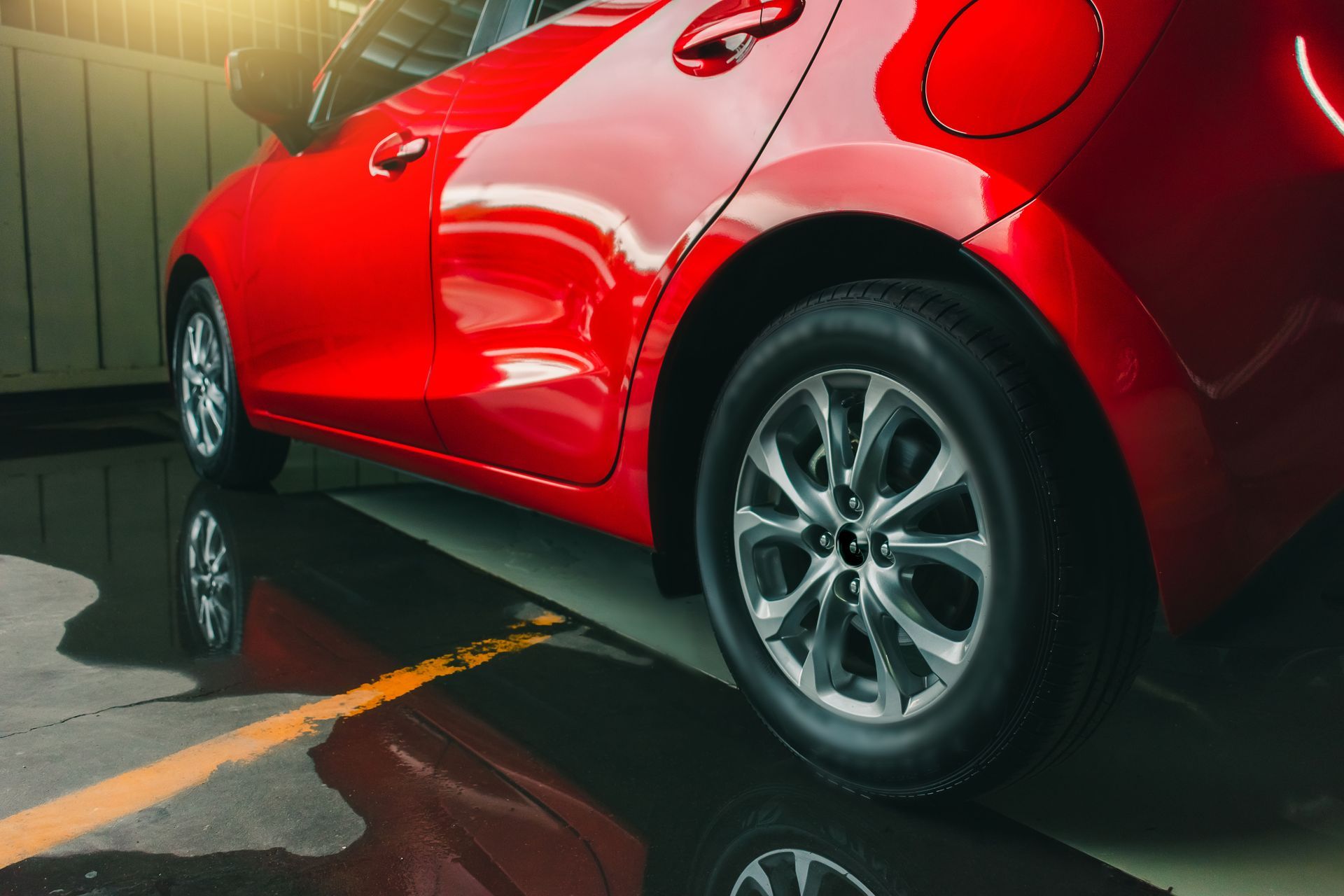
Car paint protection refers to a range of products and techniques designed to preserve the exterior finish of vehicles. This protection is vital because the appearance of a car significantly influences its resale value. When a vehicle’s paint remains in pristine condition, it not only looks newer for longer but also appeals more to potential buyers. The role of car paint protection extends beyond aesthetics; it serves as a barrier against environmental damage such as UV rays and pollutants. Ultimately, maintaining an excellent paint condition can lead to higher resale values.
Comparing Common Types of Protection Solutions
There are several solutions available when considering car paint protection options for your car. These include wax, ceramic coatings, and paint protection films (PPF). Each method offers different levels of protection, longevity, and cost, tailoring to various needs and budgets. Understanding the distinct benefits and limitations of each option is crucial for selecting the most suitable product for your vehicle. Moreover, each product type requires different maintenance routines to ensure effectiveness.
Evaluating the Role of Paint Protection in Resale Value
Effective car paint protection plays a key role in enhancing a car’s resale value, as a vehicle’s appearance is a significant factor for buyers. According to ValuePenguin, 59% of American car owners say another person has damaged their car while parked, underscoring the need for added protection. Cars with well-maintained exteriors and minimal visible damage due to superior car paint protection typically fetch better prices in the resale market. Potential buyers are willing to pay a premium for a vehicle that looks well-cared-for. Therefore, investing in paint protection is not simply about preserving a vehicle’s look but also about securing a profitable return on investment down the road.
Evaluating Different Paint Protection Methods
Exploring Traditional Wax Protection: Benefits and Features
Carnauba and synthetic waxes are classic solutions for vehicle owners seeking to enhance gloss while applying a foundational layer of car paint protection. Natural carnauba wax is renowned for producing a warm, deep shine that enhances the richness of a car's color, making it a popular choice for show cars and detailing enthusiasts. While wax provides reliable defense against light environmental pollutants, water spots, and UV radiation, it generally offers a shorter lifespan than synthetic ceramic coatings. Regular reapplication is necessary to maintain continuous defense and keep the finish looking radiant. Integrating routine waxing into your car paint protection regimen ensures an affordable, accessible way to maintain a striking, glossy exterior.
Analyzing Ceramic Coatings: Long-Term Benefits
Ceramic coatings offer a hard, glass-like layer over the car's paint, providing exceptional car paint protection and a high-gloss finish. They can last several years, offering enhanced resistance to UV exposure, chemical stains, and minor scratches. The upfront cost and professional application can be expensive, but the long-term benefits often justify the investment. Buyers should be aware that while ceramic coatings are robust, they require proper maintenance to prevent buildup from affecting their effectiveness. In essence, ceramic coatings provide a substantial barrier that prolongs the aesthetics and lifespan of a car's exterior.
Examining Paint Protection Films (PPF): Durability and Impact Resistance
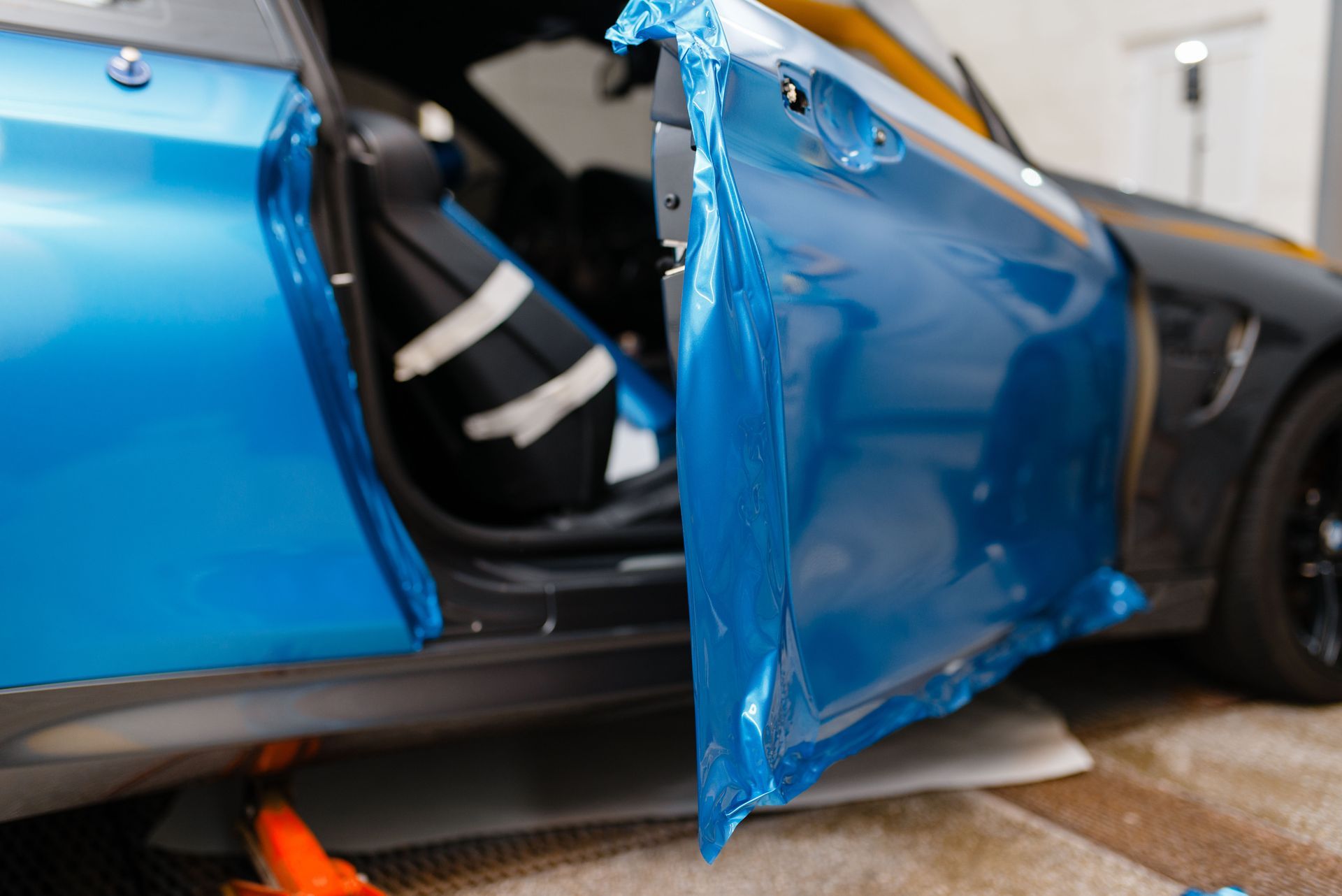
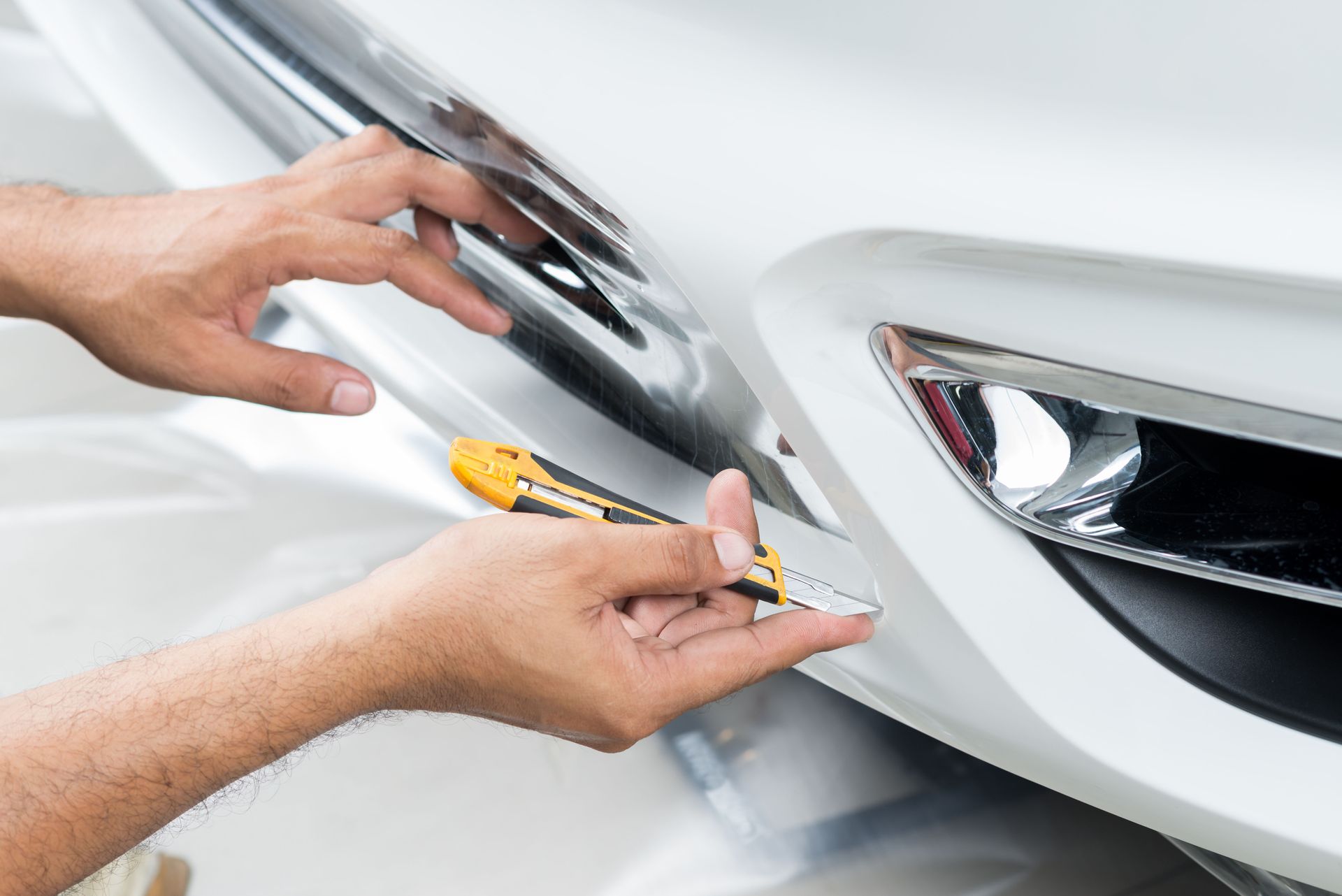
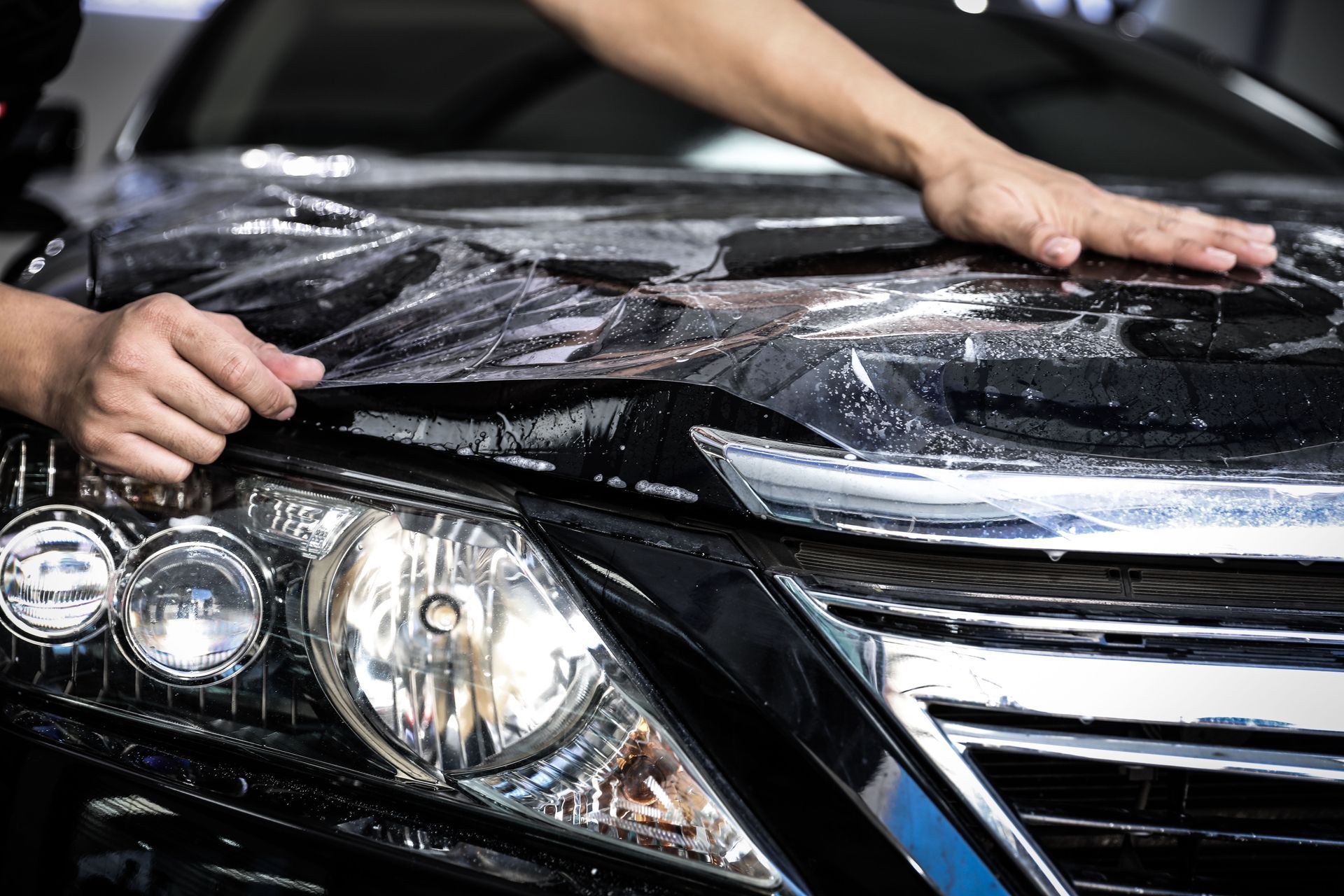
Paint Protection Films, often referred to as "clear bras," are made from urethane and provide a physical barrier against chips and scratches. This method delivers robust car paint protection, particularly in high-impact areas such as hoods, bumpers, and side mirrors. Its installation needs to be done professionally due to its complex nature and requirement for precision. The downside is that PPF can be more costly than other methods, though its durability might offset this over time. As a modular solution, certain sections of the film may be repaired or replaced when damaged.
Assessing Impact of Environmental Factors
Understanding Climate and Weather Effects on Car Paint
Climate plays a large role in determining the effectiveness of car paint protection solutions. In sunny climates, UV rays can deteriorate paint finishes, highlighting the need for UV-resistant products like ceramic coatings. Conversely, in colder or wetter environments, PPF can protect against moisture-related damage and support resilience against road salt. Understanding how different environmental conditions affect car paint helps in making an informed selection of protection solutions. The longevity and efficacy of these methods can significantly vary depending on climatic exposure.
Comparing Urban vs. Rural Settings: Does Location Matter?
The setting where a vehicle is used also impacts paint wear and car paint protection. Urban environments often expose cars to pollution, road construction debris, and daily wear from tight parking situations. Rural environments might cause damage from gravel roads, mud, and agricultural chemical exposure. Both scenarios present distinct challenges that can be mitigated with tailored car paint protection solutions. Therefore, selecting the proper protection method should consider the primary setting of the vehicle's operation to ensure the effectiveness of the investment.
Analyzing Pollution and Its Effect on Paint Quality
Pollution can significantly affect paint quality, as airborne contaminants deposit onto vehicles and eventually harm the finish. Acid rain is a common polluter that leads to damaging etching and requires effectively sealed or coated car surfaces for protection. Certain methods provide superior car paint protection, like ceramic coatings, which form a reliable protective barrier to reduce environmental impact. This helps in maintaining the lacquer's sheen and the car surface's overall good condition. Ultimately, understanding the local pollution levels and chemical threats can tailor a more durable protective strategy.
Maintaining Protected Paint
Implementing Routine Maintenance Best Practices
Performing routine maintenance is key to maintaining the effectiveness of any car paint protection method. Regular washing keeps contaminants from settling and deteriorating the finish. Using appropriate shampoos that do not strip protective layers ensures longevity of the applied solution. Inspecting for any signs of wear or damage also aids in keeping the protection intact. Incorporating these practices helps in retaining the integrity and shine of your car's paint.
Recognizing Signs That Your Paint Protection Needs Re-Application
Identifying signs that your car paint protection needs re-application safeguards the car’s exterior longevity. Diminished water beading, a change in surface texture, and a duller appearance can indicate your protection is wearing off. Depending on the protection type, these cues can appear at different intervals, necessitating scheduled inspections. Timely reapplications ensure the continued defense against environmental and physical damage. Reacting to these signs prevents potential damage from becoming severe.
Avoiding Common Mistakes in Car Paint Maintenance
Avoiding common maintenance mistakes can prolong the lacquer, ensuring lasting aesthetic appeal. Using abrasive materials like rough sponges or brushes can scratch and remove protective layers. Harsh chemicals or improperly diluted cleaners can also erode protection, detracting from its effectiveness. It’s crucial to use recommended cleaning products that pair with the preservation method applied. Awareness and adjustment of methods can reduce mistakes and lengthen paint protection lifespan.
Investing in high-quality car paint protection is one of the most rewarding decisions you can make to preserve your vehicle's beauty, value, and structural finish. By evaluating different protective methods, addressing local environmental threats, and following proper routine care, you guarantee long-term defense against unsightly chips, fading, and etching. Quality installation ensures that your vehicle maintains a glossy, durable finish that withstands daily driving hazards. Protecting your auto investment allows you to take pride in your vehicle's pristine look while enjoying maximum resale performance down the road.
Protect your vehicle's finish and elevate its appearance by contacting Frost Auto Accessories and Design today to schedule your custom car paint protection consultation!