September 8, 2026
Keeping a vehicle’s paint looking its best can be difficult. Everyday driving exposes the exterior to gravel, road debris, insects, road salt, dirt, and other contaminants that can gradually damage the finish. Paint Protection Film, commonly called PPF, provides a physical barrier designed to reduce this type of wear. Choosing the right car PPF requires considering how a vehicle is driven, which areas need protection, and what characteristics matter most to the owner.
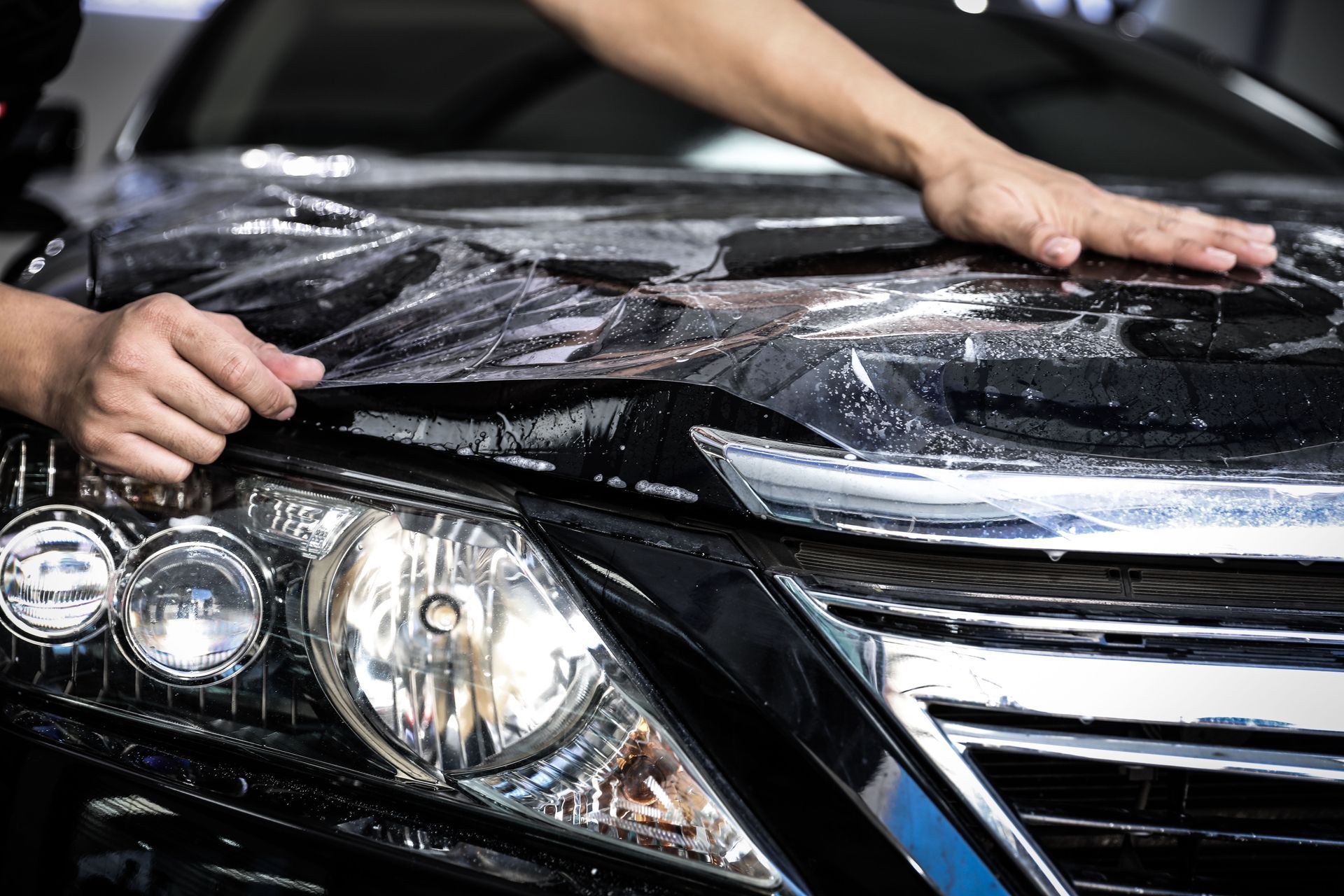
Car PPF is a transparent or colored protective film applied directly to a vehicle’s painted surfaces. Modern films are commonly made from thermoplastic polyurethane, a flexible material that can absorb impacts while conforming to the contours of automotive panels. Once installed, the film helps shield the underlying paint from many minor impacts, scratches, and environmental contaminants.
The market for these products has also continued to grow. According to Stratview Research, the paint protection films market was valued at approximately $496.8 million in 2024 and is expected to grow at a compound annual growth rate of 6.6% through 2032. This growth reflects increasing interest in protecting vehicle finishes and maintaining their appearance.
For vehicle owners, the primary benefit of PPF is preventative protection. Instead of waiting for chips and scratches to accumulate, owners can place a protective layer over vulnerable areas before damage occurs.
How To Evaluate Quality In Car PPF?
Not all PPF products are identical, so comparing their specifications is an important part of the selection process. Several characteristics can help distinguish one product from another, including its construction, thickness, durability, optical clarity, and warranty.
The film’s material is particularly important. Thermoplastic polyurethane is widely used because it can combine flexibility with resistance to impacts and environmental exposure. A quality film should be capable of conforming to curved body panels without compromising its protective properties.
Thickness is another factor to consider. Thicker films can provide additional material between the vehicle’s paint and potential sources of damage. However, thickness alone does not determine overall quality. The formulation and construction of the film also influence its performance.
Self-healing technology is another feature found in many modern products. Films with self-healing top layers can reduce the visibility of certain minor surface scratches when exposed to heat. This can be useful for vehicles that experience frequent washing and everyday contact.
Optical clarity also matters. A high-quality clear film should remain relatively unobtrusive after installation. Excessive haze, discoloration, or noticeable imperfections can detract from the appearance it is intended to preserve.
Finally, examine the manufacturer's warranty. A warranty can provide useful information about the expected service life and coverage for issues such as premature discoloration or cracking. Owners should read the actual warranty terms rather than relying solely on general product claims.
What Are The Different Types Of Car PPF Available?
Car PPF is available in several different configurations, allowing vehicle owners to choose protection based on their appearance preferences and driving habits. Clear PPF remains one of the most common options because it protects without substantially changing the vehicle’s factory appearance.
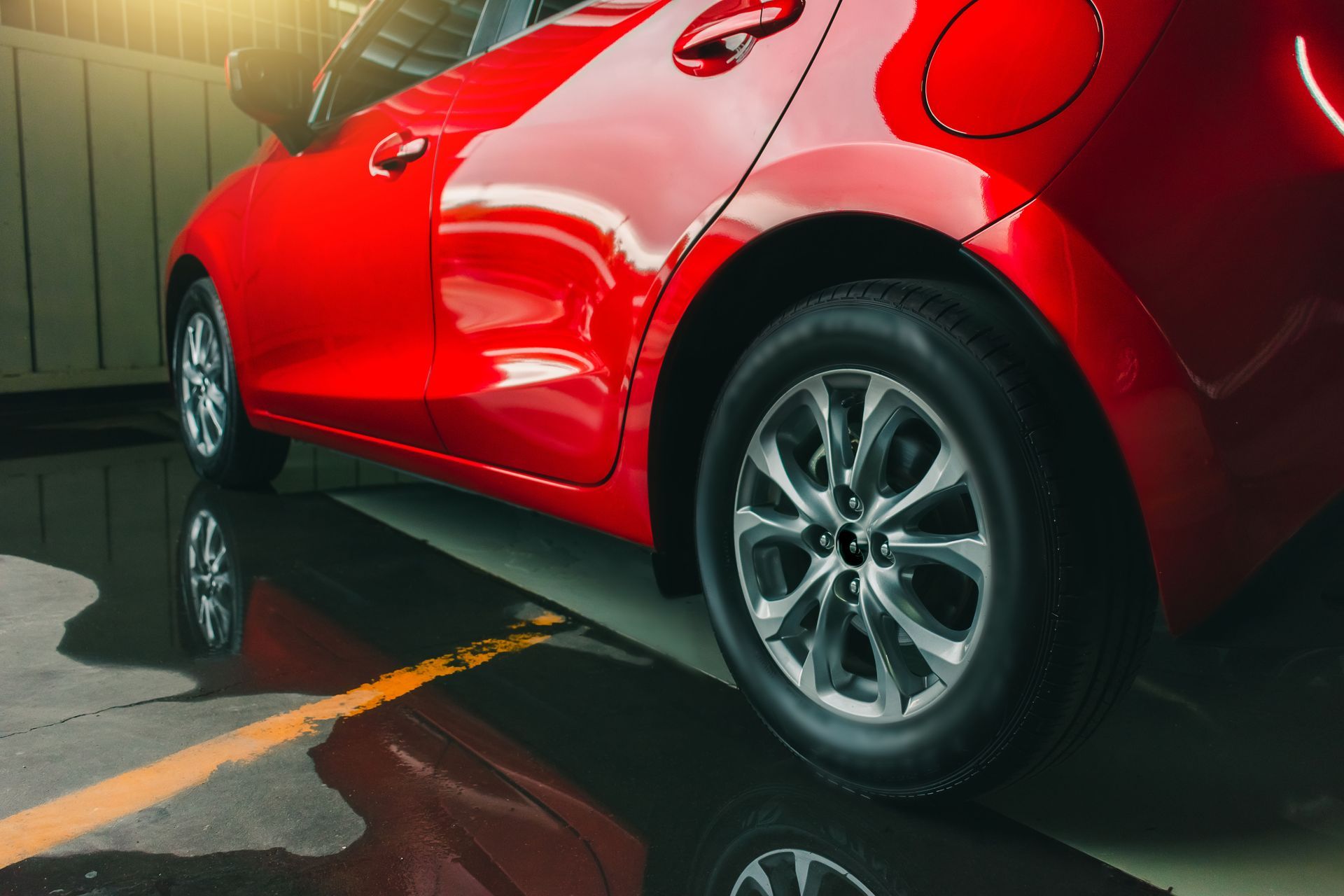
Gloss PPF is designed to maintain or enhance the glossy appearance of a painted surface. It can be particularly appealing for owners who want their vehicle to retain a traditional polished finish while adding another layer of protection.
Matte and satin films provide a different appearance. These products can give a vehicle a less reflective finish while still providing the protective function associated with PPF. They may also be used to change the appearance of a glossy vehicle without repainting it.
Some owners may also choose colored or specialty films. These products can combine paint protection with a visual transformation, although their availability and characteristics vary between manufacturers.
Coverage is another way to distinguish PPF options. A partial installation may protect the front bumper, hood, fenders, and mirrors, which are particularly exposed to road debris. Full-vehicle applications provide broader coverage for owners who want to protect virtually the entire exterior.
There is no single best car PPF configuration for every driver. Someone primarily concerned about highway rock chips may prioritize front-end coverage, while an enthusiast keeping a vehicle for many years may prefer much more extensive protection.
How To Compare Car PPF Installation Options?
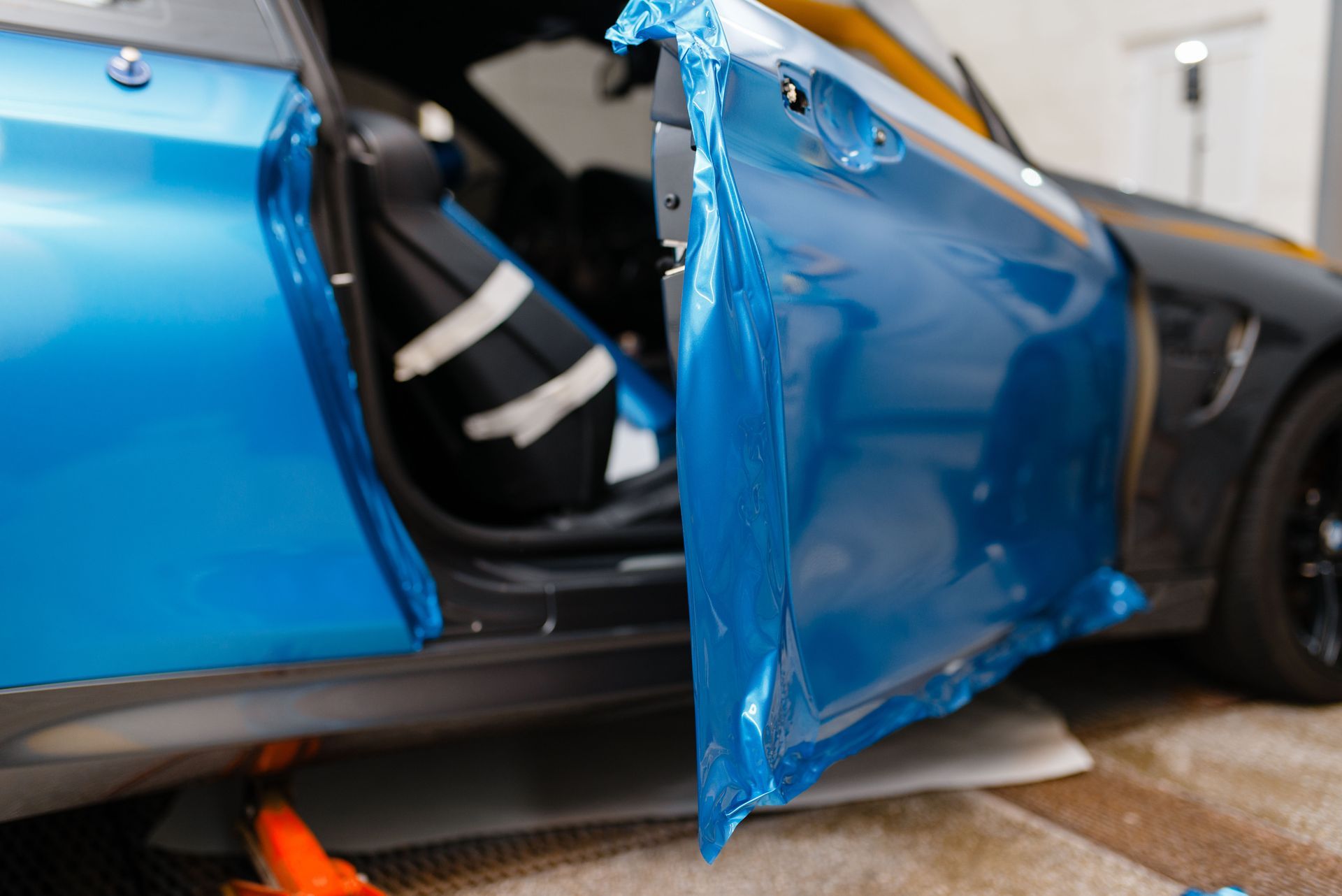
Once a film has been selected, installation becomes another important consideration. Vehicle owners generally have the choice between attempting a DIY installation or hiring a professional installer.
DIY PPF kits can be appealing because they may cost less than professional installation. They can also make sense for someone with experience working with automotive films and the patience to carefully prepare and apply the material.
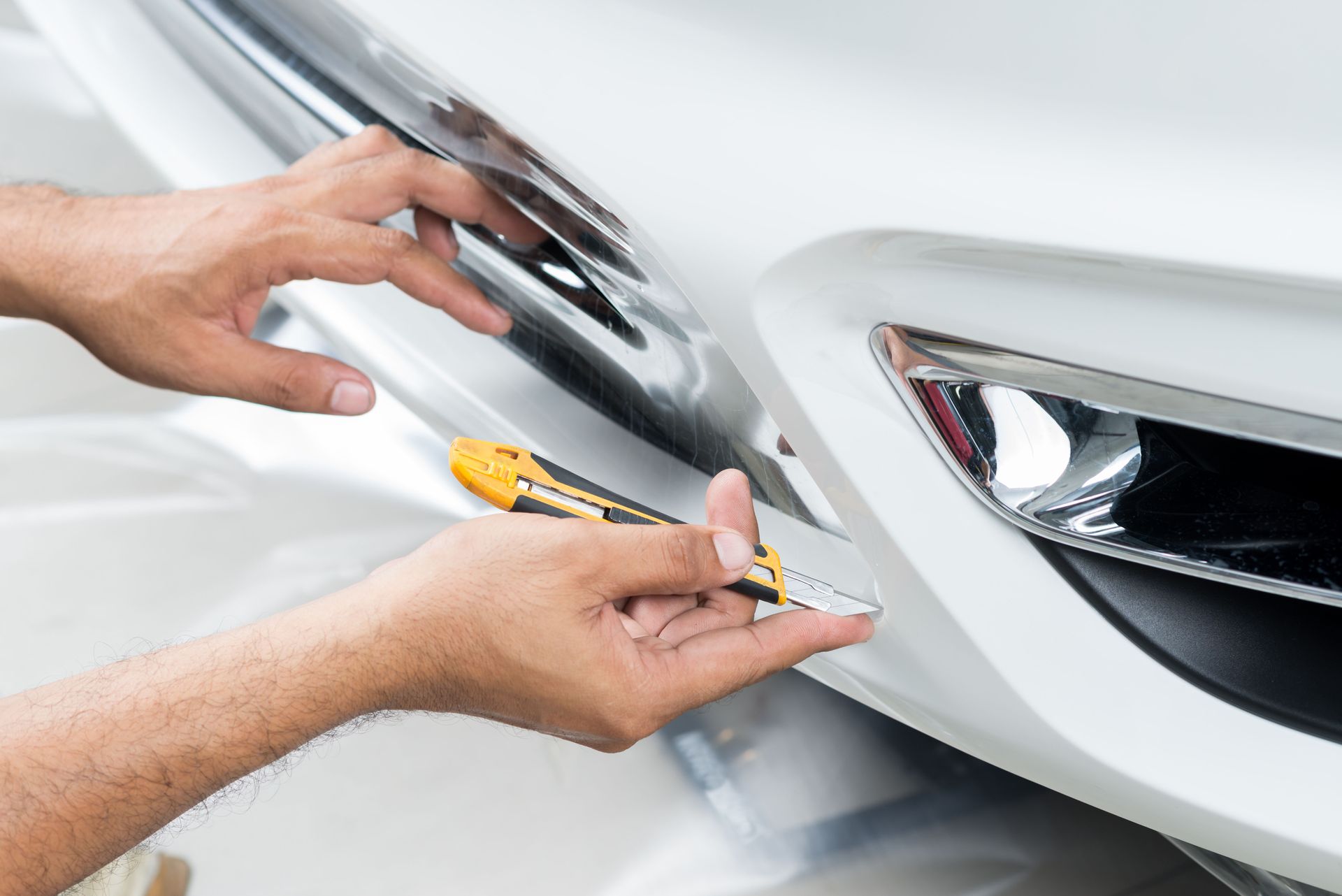
However, PPF installation requires precision. The vehicle needs to be thoroughly cleaned before application, and the installer must position the film correctly while managing its flexibility and adhesive properties. Contamination trapped underneath the film can remain visible after installation.
Professional installation provides access to specialized tools, experience, and application techniques. Installers may also use computer-cut patterns designed specifically for particular vehicles. These patterns can reduce the need to cut directly against painted panels.
Professional installation can also be valuable when applying PPF to complicated areas. Modern vehicles have increasingly intricate body shapes, including sharp contours, recessed sections, sensors, vents, and other features that can make installation more challenging.
When comparing installers, consider their experience, warranty policies, facility conditions, and the products they use. Looking at examples of completed installations can also help prospective customers assess the quality of the finished work.
What Are The Maintenance And Care Requirements For Car PPF?
Although PPF is designed to withstand everyday exposure, proper maintenance can help preserve its appearance and performance. Owners should follow the specific care instructions supplied by the film manufacturer and installer.
Regular washing is important because accumulated dirt and contaminants can affect the film's appearance. A gentle hand wash with automotive-safe cleaning products is generally preferable to aggressive cleaning methods.
High-pressure water should be used carefully around film edges. Excessive pressure at an edge or seam can potentially lift the material, particularly if the installation has already begun to deteriorate.
Owners should also be cautious with harsh chemicals, abrasive compounds, and aggressive polishing techniques. Some products that are safe for conventional automotive paint may not be appropriate for every PPF formulation.
Bird droppings, insects, tree sap, and other contaminants should be removed reasonably quickly. Allowing these substances to remain on the vehicle for extended periods can make them more difficult to remove and may affect the surface.
Routine inspections are worthwhile as well. Owners should periodically look for lifting edges, significant scratches, discoloration, or other changes in the film. If a particular section becomes damaged, replacing that section may restore the protective barrier without requiring the entire vehicle to be re-covered.
How Can You Choose The Right Car PPF?
Selecting the right PPF ultimately comes down to matching the product and coverage to the vehicle and its intended use. Drivers who regularly encounter gravel roads or highway debris may place greater importance on impact protection, while owners of show cars may prioritize optical clarity and appearance.
Budget is another consideration. Partial coverage can provide protection in the areas most likely to experience damage without the expense of covering every exterior panel. Full coverage costs more but provides a broader protective barrier.
Choosing the right
car PPF involves more than simply selecting the thickest or most expensive product available. Material construction, durability, appearance, coverage, installation quality, and maintenance requirements all contribute to the overall result.
Drivers should consider their typical road conditions, vehicle value, desired appearance, and long-term ownership plans before making a decision. Comparing reputable films and qualified installers can help ensure that the finished application provides both the appearance and protection the vehicle owner expects.
With the right combination of film and installation, PPF can serve as a practical way to reduce everyday paint damage while helping a vehicle maintain its original appearance for years to come. If you're looking for quality PPF, reach out to the team at Frost Auto Accessories and Design today!